
FYIVT News That
Affects You!

Commentary

CommentaryAugust 2, 2026

Who Will Be Today's Robespierre?

The American and French revolutions both rose against tyranny — and unfolded in opposite directions. H. Jay Eshelman reaches for Santayana, Robespierre, and the classic essay "I, Pencil" to ask which revolution's habits our own planners hav

CommentaryJuly 25, 2026

Capitalism vs. Socialism questions for Vermont & America

Gregory Thayer poses open questions to Vermont's Democratic Socialists of America members. Writing from a conservative perspective, he argues that history's verdict on centrally planned economies is clear, and that free-market capitalism, p

Vermont: The Amber Mountain State

Vermont has spent decades trying to preserve its rural character through regulation. But when protecting the past begins preventing the future, preservation becomes stagnation. Using the metaphor of amber, this commentary explores how layer

CommentaryJune 8, 2026

The Devastating Legacy of Democrat Leadership

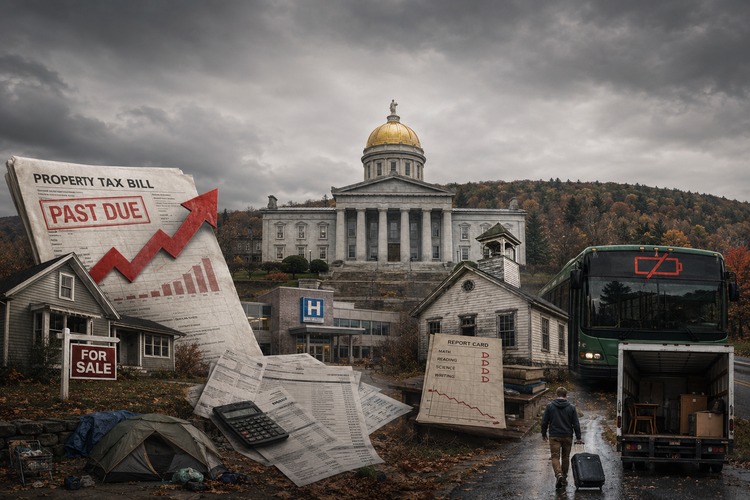
With Vermont’s top legislative leaders stepping aside, Rob Roper argues the state’s long progressive experiment has produced unaffordable taxes, health care, housing, education, energy, and homelessness outcomes. He says voters now face a N

CommentaryJune 5, 2026

Who Owns the Land In Vermont?

Senator Terry Williams questions whether Vermont agencies should speak of “owning” public land, or whether they should remember their role as stewards acting on behalf of the people. His piece argues that words matter, trust matters, and go

CommentaryJune 1, 2026

Free Markets: The Most Advanced Form of Governance

Free markets are often mistaken for chaos, but this essay argues they are a sophisticated form of decentralized governance. Through voluntary exchange, price signals, innovation, and human connection, markets coordinate society more effecti

CommentaryApril 30, 2026

"Let Them Eat Cake!" Literally, Say Lawmakers

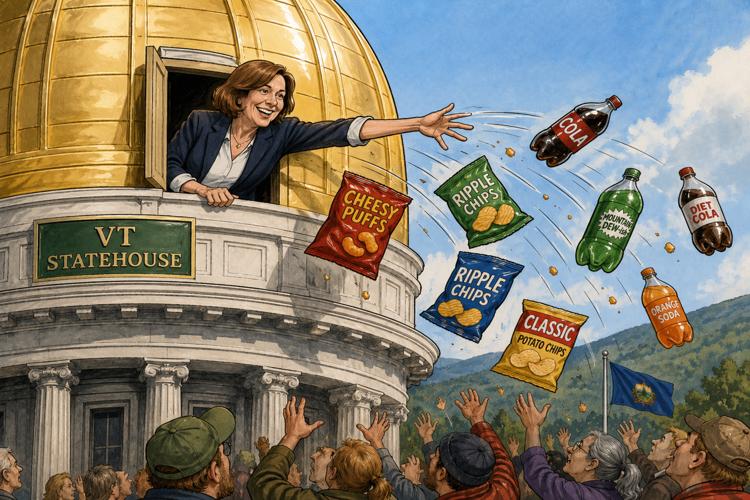
Lawmakers in Montpelier are pushing back against proposed SNAP reforms that would restrict junk food purchases, arguing it limits personal choice. Critics say that stance clashes with years of efforts to tax sugary products for public healt